
There is a reader of this piece who cooks dinner every night, knows their own kitchen the way a musician knows an instrument, has been working out flavor combinations across decades of family meals, and has decided they are not creative.
There is a reader who does their own hair, has been styling and unstyling themselves since they were nine years old, knows their face the way a painter knows a particular palette, and has decided they are not creative.
There is a reader who tends a garden across years, choreographs a dinner party once a month, writes captions that take more thought than the photo, raps in the car on the way to work, dances in their kitchen while the rice cooks, and has decided they are not creative.
This piece is a correction. The category called creative has been narrowed across a few generations in ways that excluded most of what humans have always done with their hands, voices, and attention. The narrowing was wrong. This is the broader inventory — and it belongs in the wider pillar on creative practice as wellness alongside the more conventionally recognized forms.
Why the Definition Got Narrower
The word art, as it is used in contemporary English, is the inheritance of a relatively recent set of cultural decisions.
In the eighteenth and nineteenth centuries, the European Academy system began separating “fine arts” from “crafts” — painting and sculpture were elevated; weaving, pottery, and embroidery were demoted. The separation was not aesthetic. It was political. The work that men were paid to do in studios became Art. The work that women did unpaid in homes became “craft” or “domestic labor” — categories meant to take it out of the conversation that was happening above it.
Similar narrowings happened along other axes. “Real” music was the kind written down by trained composers in European traditions; the music of enslaved peoples, of migrant communities, of working-class life was something else — folk, popular, vernacular. Cooking was sustenance, not creation. Hair and dress were vanity or hygiene, not authorship. Gardening was leisure or labor, not art.
These distinctions did real harm, and they continue to do harm. They tell people who have been making things their entire lives that what they make does not count, and they leave the category of “creative practice” looking like a club most readers are not invited into. The wellness industry inherited the narrowing without examining it, which is why “creative wellness” content keeps recommending a drawing class to people who have been cooking for forty years.
The work of this piece is to refuse the narrowing. The older, broader, more honest definition of creative practice is still available. It only needs to be retrieved.
The Practices the Definition Left Out
A partial inventory. None of these need a defense; they only need to be named.
Cooking and baking
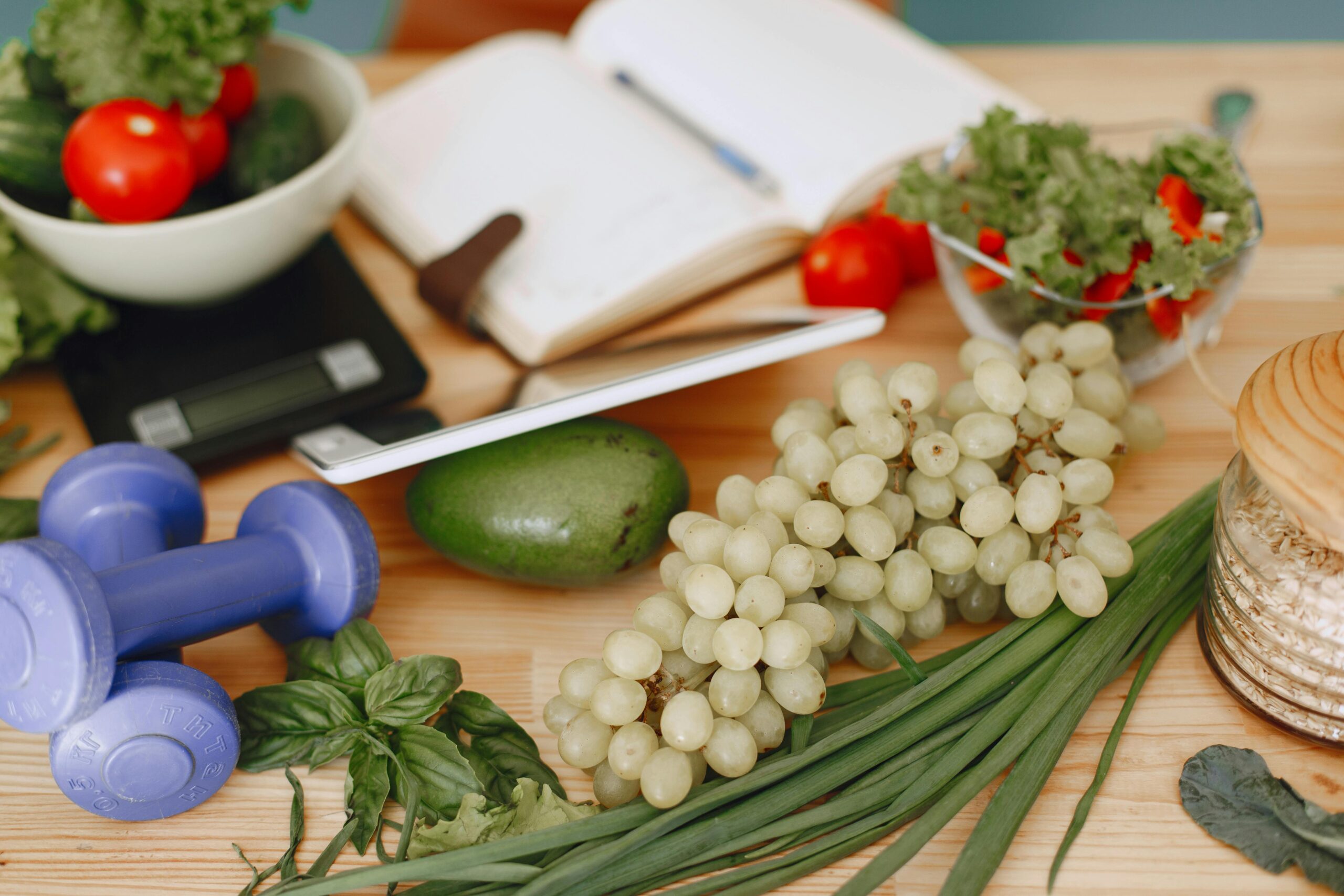
Perhaps the most universal creative practice on the planet. Each meal is composition — the choice of ingredients, the proportion, the seasoning, the timing, the plating. The home cook who has been doing this for decades has logged more hours of creative work than most professional artists. The bread that comes out of the oven on a Sunday morning is the same kind of object as a painting; it is the result of intention applied to material across time.
Gardening
The slowest creative practice. The collaboration with weather, soil, time, and the bodies of plants that have their own intelligence. A garden is not made in a session; it is composed across years. The gardener is in conversation with conditions outside their control, making aesthetic and ethical choices about what to grow and where, what to harvest and when, what to let die back to the ground.
Sewing and the fiber arts
Sewing, knitting, weaving, embroidery, quilting. Historically the practices most reliably dismissed as “women’s work” — a dismissal that says more about the dismissers than about the work. The tactile intelligence of the hand making something that did not exist before. The quilts that traveled the Underground Railroad with coded patterns; the textile traditions of West Africa, the Andes, Southeast Asia; the contemporary maker recovering grandmother’s craft as a serious discipline.
Hair and makeup as creative practice
The daily authoring of how you appear in the world. Particularly culturally significant in Black communities, where the tradition of hair as art runs back through centuries — cornrows, locs, braids that carry style, story, and resistance. Latin and Asian beauty traditions, drag culture, Indigenous ceremonial adornment, the morning ritual at the mirror that no one else sees. The mother teaching her daughter to braid. The salon as community space. The face you choose for yourself is composition, and the choosing is creative work.
Music-making
Singing in the shower. Playing the guitar nobody hears. Writing songs that stay private. Drumming. The piano played without an audience. Jazz, R&B, hip-hop, the deep traditions of West African drumming and South American percussion and Carnatic and Hindustani classical and gospel — the global soul of how humans have always made meaning out of sound. Creative practice does not require an audience or a stage. The kitchen singing counts.
Spoken word and rap
The contemporary descendants of the older oral traditions, in many ways their most vital living form. Freestyle rap is real-time composition; the cypher is creative collaboration; the spoken-word performance is the same poetic tradition that produced the seanachaí and the griot, in contemporary form. The reader who writes lyrics in their phone and never performs them is doing the same work the older traditions did.
Dance and movement
The body as creative instrument. Improvised movement in your kitchen counts. The choreography of moving through a city. The body’s response to a song you love. The dance class taken alone in a studio with no recital at the end. The childhood traditions, the cultural inheritances, the social dancing at the wedding — all of it.
Personal style
Daily curation as creative act. What you choose to wear is composition. The way you put yourself together each morning is the same kind of editorial choice a stylist makes for a magazine cover, just on the smaller, more intimate scale of your own life. Some people have practiced this their whole lives without realizing they had a practice.
Hospitality and the gathered table
The art of making space for others. The dinner party as creative work. Setting the table, choosing the menu, curating the music, arranging the flowers, knowing who to seat next to whom. This was once recognized as a serious art — what older traditions called the art of welcome — and has only recently been demoted to logistical labor.
The list is not exhaustive. Many other practices belong on it — woodworking, restoring old furniture, photography of everyday life, calligraphy, making playlists with intent, the slow work of curating a home across years. The point of the inventory is not to complete it. The point is to make clear that the original list was much shorter than human creative life actually is.
What These Practices Share
Underneath the surface differences, the everyday creative practices share the same mechanisms that make creative practice valuable in the first place.
They produce flow state. The cook deep in the rhythm of a complicated dinner is in the same neurological territory as the painter at the easel. The gardener in the soil. The dancer mid-movement. Time dissolves the same way; attention focuses the same way; the body relaxes into the work the same way.
They engage the maker’s loop. The dopamine signature of having produced something — a meal, a styled face, a tended plant, a verse written into a notes app — is the same family of reward that any other making produces. The body recognizes the act of bringing something into form regardless of what is being formed.
They regulate the nervous system. The hands kneading dough, plaiting hair, threading a needle, gardening soil, drumming on the steering wheel — all engage the parasympathetic system the same way the painter’s brush does.
They externalize the internal. The meal you cook reflects something about how you are doing. The way you have arranged yourself reflects something about how you see yourself. The garden reflects what you have been tending and what you have neglected. The lyrics you write reflect something the verbal mind has not yet said directly. The everyday practices are doing the same psychological work that the gallery-bound ones are doing, on the same psyche, with the same mechanisms.
The benefits are not lesser. They are differently distributed.
How to Honor the Practice You Already Have
Most readers of this piece do not need to start a creative practice. They need to recognize the practice they already have.
This is the reframe that does most of the work in this piece. The pillar hub of this cluster offers a starter framework for readers without a creative practice yet. This post is for the reader who already has one — they have just not been allowing it to count. Three moves restore the practice to the category it should always have been in.
Move 1 — Name it as creative practice. Out loud, on paper, in your own internal vocabulary. Cooking is my creative practice. Hair is my creative practice. The garden is my creative practice. The naming changes the relationship to the activity. It also begins to surface the limiting beliefs underneath — the ones inherited from a culture that had decided your particular practice was not the kind that counted.
Move 2 — Do it with attention rather than only as task. The difference between cooking dinner because it has to be done and cooking dinner as a creative practice is the quality of attention. The hands move the same way. The body fills the same space. But the engagement is different — the cook is now noticing what they are doing, choosing what to choose, treating the activity as itself worthy of presence. The same is true of hair, of gardening, of dressing, of all of it.
Move 3 — Let it be the practice rather than seeking another one. This is the move readers find hardest. The wellness industry will keep recommending that you start a new creative practice, because new practices sell better than recognizing the old ones. But the practice you have already been doing for years has more depth available to it than any new practice you could begin tomorrow. Let it be enough. Let it be the one.
The reader who cooks dinner every night does not need a creative practice. They have one. They have just not been allowing it to count.
Closing
The single most useful thing this piece can do is hand back what was always there.
If you cook, you have a creative practice. If you garden, you have a creative practice. If you do your own hair, your own makeup, your own dressing, you have a creative practice. If you write captions, freestyle in the car, sing in the kitchen, choreograph a dinner party, sew a hem — the practice is already happening. The only thing missing is the recognition.
Begin tonight with whatever you would normally do anyway. Do it with the attention this piece has been pointing to. The practice was always there.
Frequently Asked Questions
Cooking, baking, gardening, sewing, hair and makeup, music-making, spoken word and rap, dance and movement, personal style, hospitality, photography of everyday life, woodworking, restoring or repairing — all qualify. The underlying gesture in every case is bringing something into form that did not exist before. The medium does not matter; the practice does.
Yes — arguably the most universal one. Each meal is composition: ingredients chosen, proportions adjusted, seasoning balanced, timing managed. The home cook with decades of practice has logged more hours of creative work than most gallery-represented artists. The fact that the output is eaten rather than framed does not change what the making was.
Yes, and the question itself reflects the recent cultural narrowing the post addresses. Hair as art has deep traditions in Black communities (cornrows, locs, braids), in Latin and Asian beauty cultures, in drag, and in Indigenous ceremonial adornment. The daily ritual of authoring how you appear in the world is creative work whether or not contemporary categories recognize it as such.
Largely because of inherited cultural decisions from the eighteenth and nineteenth centuries that separated “fine arts” from “crafts” and “domestic labor” along class and gender lines. The narrowing was political, not aesthetic. The wellness industry inherited the narrowing without examining it, and most contemporary “creative wellness” content still operates inside the older, narrower definition.
Three moves: name it as creative practice (out loud, on paper, in your own vocabulary), do it with attention rather than only as task, and let it be the practice rather than seeking another one. The activity stays the same; the relationship to it changes. That changed relationship is what produces the wellness benefits creative practice is known for.